Rice, Reinvented: How Tokyo's Micro-Breweries Are Rewriting the American Lager Playbook
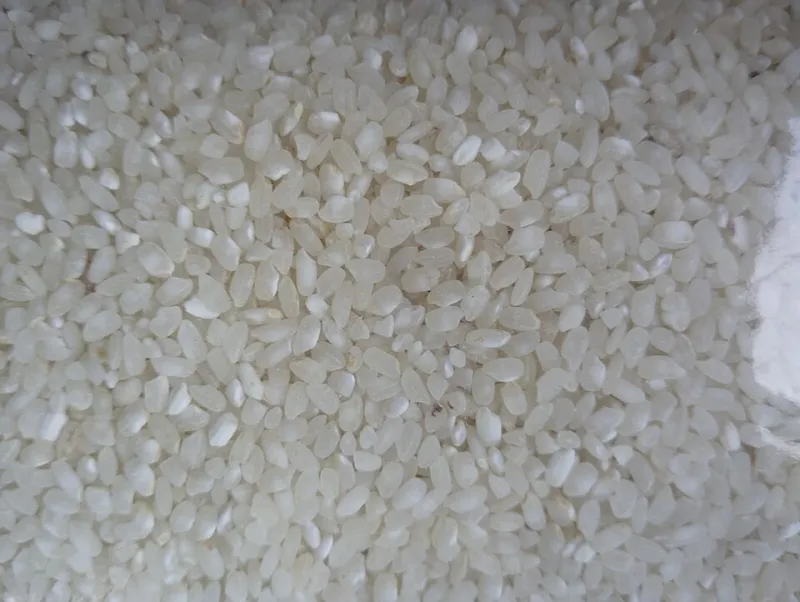
Photo: Zahoor Ahmad Reshi, CC0, via Wikimedia Commons
Ask most American craft drinkers about rice in beer, and you'll get a grimace. For decades, rice was the villain of the adjunct lager story — the cheap grain big breweries used to thin things out. But something is shifting. From Portland to Asheville, a growing crew of brewers is treating rice not as a shortcut but as a challenge, and they're looking to Tokyo — including the tiny, unglamorous breweries of wards like Itabashi — for the blueprint.
Why Rice, Why Now?
The logic is simple once you taste it. Rice, when handled well, contributes almost nothing in the way of color or heavy malt character. What it does offer is a kind of crystalline clarity — a beer so clean it makes the hops, yeast, and water speak in full sentences. Japanese brewers have spent generations chasing that precision, and the small producers scattered through Tokyo's working-class wards have become unlikely teachers.
"The first thing I learned was that rice doesn't want to be malted the way barley does," says a brewer at a small Pacific Northwest operation we'll call Dan, who spent two years developing a rice lager. "Japanese-style brewing treats starch conversion almost like a recipe, not a mash schedule. I had to unlearn everything."
The Sticky Rice Problem
Here's where the romanticism crashes into reality. Rice is a nightmare in a brewhouse designed for barley.
Pitfall one: the gelatinization trap. Rice starches need higher temperatures to convert than barley does, which means most American brewers have to do a cereal mash — boiling a portion of the rice before it ever meets the main mash. Skip it, and you get a syrupy, starchy mess that never ferments properly.
Pitfall two: nitrogen levels. Rice is low in the proteins yeast needs to thrive. Brewers accustomed to barley's built-in nutrient package suddenly find their fermentation stalling at 1.020. The Tokyo breweries that inspired this movement solve it with careful yeast management and, in some cases, small adjunct additions — knowledge that took American brewers a few failed batches to earn.
Pitfall three: flavor by subtraction. "I kept trying to add something," Dan admits. "A rice lager punishes you for that. The whole point is what isn't there."
Multiple Parallel Fermentation: The Deep End
The boldest experimenters aren't just brewing rice lagers — they're flirting with multiple parallel fermentation, the technique at the heart of sake production, where starch conversion and alcohol fermentation happen simultaneously in the same tank, guided by koji mold.
It's finicky, temperature-sensitive work, and the margin for error is razor thin. A few American breweries have released beer-sake hybrids, and the results range from luminous to frankly weird. The best of them — bone-dry, faintly fruity, with a texture closer to silk than beer — suggest this isn't a gimmick. It's a whole new grammar of flavor.
What Itabashi Gets Right
What strikes visitors to Tokyo's smaller breweries isn't exotic equipment. It's restraint. These are producers working in tight industrial spaces, often brewing with modest systems, who treat a clean fermentation and a crisp finish as the whole point. No pastry stouts. No novelty. Just beer that respects the drinker's palate at every sip.
That's the real lesson crossing the Pacific. Rice is the medium; discipline is the message. And if a handful of American brewers can swallow their pride — along with a few starchy, stalled pilot batches — the humble lager glass might never look the same.