Grown Close to Home: How American Craft Brewers Are Building a New Kind of Terroir with Regional Grain
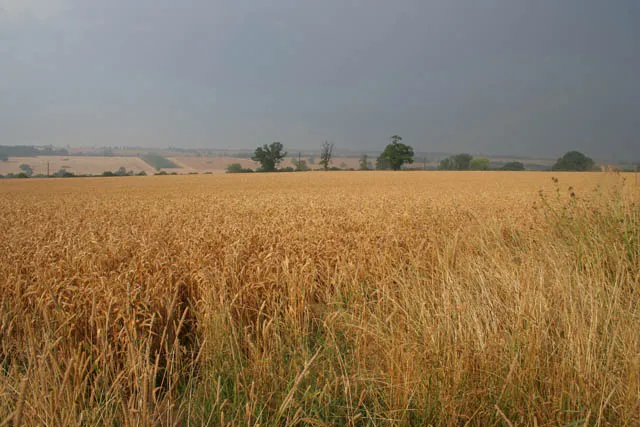
Photo: Kate Jewell, CC BY-SA 2.0, via Wikimedia Commons
Wine people have talked about terroir forever. The idea that where something grows — the soil, the climate, the particular slant of afternoon light — shapes what ends up in your glass. Beer folks have mostly let that conversation pass them by, leaning on standardized commodity malt from wherever the price was right and the supply was consistent.
That's starting to change. And honestly, it's about time.
Across the country, a quieter revolution is underway. Craft breweries are pushing past the big malt houses and building direct relationships with regional grain farmers and small-scale maltsters — people who know their fields by name and can tell you exactly which ridge the barley came from. The result isn't just better beer. It's a fundamentally different way of thinking about what goes into the glass.
At Itabashi Brewing Co., that kind of thinking isn't new. It's baked into everything we do. Itabashi — the Tokyo ward that inspires our work — has always been a place that runs on neighborhood relationships. Small manufacturers supplying local businesses. Craftspeople who know their customers personally. A supply chain measured in city blocks, not shipping containers. When we talk about what we brew and why, that ethos is never far from the conversation.
Why Grain Is the Conversation Nobody Was Having
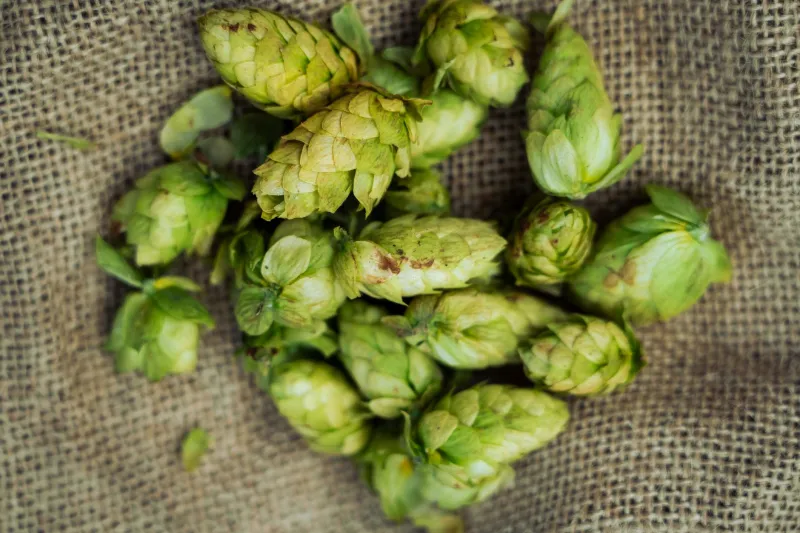
Hops get all the glory. Walk into any taproom and you'll hear people rhapsodizing about Citra, Mosaic, or whatever single-origin experimental variety just dropped. Hops are the rockstars of the brewing world, and they've earned it — they're aromatic, expressive, and wildly variable.
But grain is the foundation. Malt makes up the bulk of what you're tasting in most beer styles. It contributes body, color, sweetness, and a whole range of flavors that range from biscuity and toasty to nutty, earthy, and complex. And for decades, most American brewers have been working with malt that's essentially interchangeable — consistent, reliable, and almost entirely disconnected from any specific place.
The regional grain movement is flipping that script. Breweries that commit to sourcing within roughly 200 miles aren't just making a feel-good marketing decision. They're accessing ingredients with genuine variability, real character, and a story that connects the pint in your hand to actual farmland.
"When I started working with a barley farmer two counties over, the first thing I noticed was how different the conversation was," says one Midwest brewer who asked to remain unnamed pending a new partnership announcement. "He was asking me what flavors I was chasing. I was asking him what the growing season had been like. That doesn't happen when you're ordering off a distributor catalog."
The Flavor Argument Is Real
Skeptics will say terroir in beer is mostly marketing. And to be fair, the science is genuinely complicated. Barley varieties, malting practices, and brewing technique all have enormous influence on flavor — in some ways more than geography alone.
But that's exactly the point. When you source locally, you're not just buying grain. You're entering into a collaboration that touches all of those variables. A small-scale maltster working with a specific regional barley variety, grown in a specific climate, and kilned to spec for a specific brewery — that's a totally different product than commodity pale malt from a facility that processes millions of pounds a year.
Breweries that have gone deep on regional grain consistently report flavors that are harder to pin down but unmistakably present. More complexity in the base malt. Subtle earthy or floral notes that vary batch to batch. A sense that the beer tastes like it came from somewhere.
For us at Itabashi Brewing Co., that idea resonates deeply. Japanese brewing culture — particularly in neighborhoods like Itabashi, where craft and precision coexist with a genuine sense of place — has always understood that ingredients carry context. The water matters. The rice matters. Where things come from matters. American craft brewing is arriving at that same conclusion, just through a different door.
The Business Case Nobody Talks About Enough
Local sourcing gets framed as an idealistic choice. And sure, it often starts that way. But the business logic is getting harder to ignore.
Global supply chains are fragile. The pandemic made that obvious to everyone, and the brewing industry felt it acutely — ingredient shortages, shipping delays, price spikes that had nothing to do with anything happening locally. Breweries that had already built regional supply relationships were insulated from the worst of it.
There's also a pricing story that cuts the other way from what most people expect. Yes, regional malt often costs more per pound than commodity malt. But breweries that buy direct from farmers or small maltsters frequently report better consistency, less waste, and the ability to plan further ahead because they're working with partners who are invested in their success. The math isn't always simple, but it's rarely as punishing as the sticker shock suggests.
And then there's the community dimension, which is real even if it's hard to put a number on. Breweries that source locally become nodes in a regional food economy. They create demand that keeps farms viable. They give customers a reason to care about where their beer comes from beyond the label design.
What 'Craft' Actually Means in 2025
The word 'craft' has taken a beating over the years. It's been stretched to cover everything from genuinely small, independent operations to multinational conglomerates with clever branding. At this point, the term alone doesn't tell you much.
But regional grain sourcing is one of the clearest lines in the sand that actually means something. It requires real relationships. It demands flexibility and a willingness to work with variability. It ties a brewery to a specific geography in a way that's hard to fake and even harder to scale away from.
That's the kind of craft that Itabashi's brewing culture has always embodied — not a marketing category, but a genuine commitment to doing things with intention and connection. The neighborhood grain movement in American brewing is pointing toward the same thing, even if the geography looks completely different.
A Tokyo ward and a Midwestern barley field might seem like they have nothing in common. But they're both reminders that the best things tend to come from knowing where you are, working with what's around you, and taking the time to build relationships that outlast any single batch.
That's the beer we want to drink. And increasingly, it's the beer a lot of American brewers are starting to make.