Neighborhood First, Trends Never: What Itabashi's Scrappy Breweries Are Teaching the Rest of the Beer World
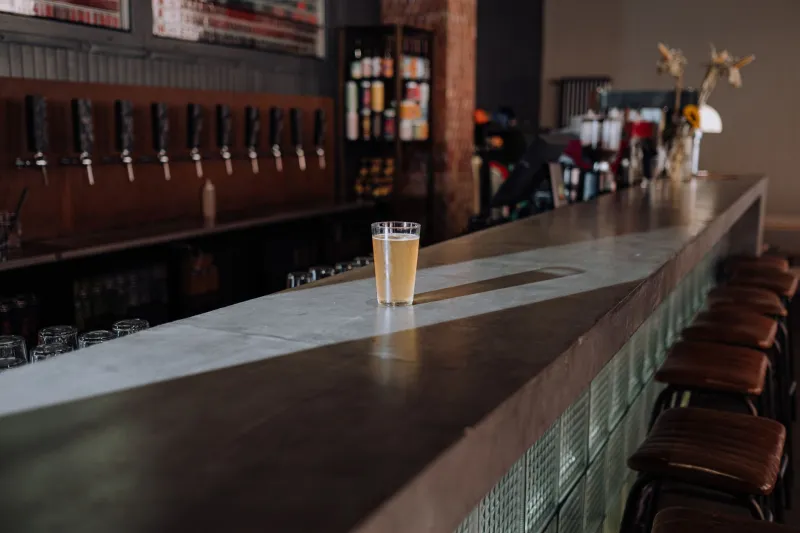
There's a particular kind of confidence that comes from not caring whether you're on the list. No Michelin stars, no viral Instagram posts, no guided tour buses idling outside the door. Just a neighborhood, a brewhouse, and a community that shows up every single week because the beer is genuinely worth it.
That's Itabashi.
While beer tourists descend on Kyoto's polished taprooms or queue up outside the well-documented craft spots in Shibuya and Shimokitazawa, Itabashi has been doing something quieter and, frankly, more interesting. Its independent breweries have been building a reputation the slow way — through consistency, through relationships, and through an almost stubborn commitment to making beer that reflects exactly where it comes from.
For American craft brewers watching their own industry wrestle with oversaturation, influencer fatigue, and the pressure to release something new every three weeks, Itabashi's approach looks less like a regional quirk and more like a survival manual.
The Problem With Being Famous
Let's be honest about what beer tourism has done to some of the world's most celebrated brewing regions. When a place becomes a destination, the pressure to perform for outsiders starts to quietly override the reasons the beer was good in the first place. Menus get curated for visitors. Tap lists skew toward approachable, easy-drinking styles that won't confuse anyone who flew in from somewhere else. The neighborhood stops being a neighborhood and starts being a backdrop.
Itabashi hasn't had that problem — mostly because nobody handed it the spotlight.
The ward sits in the northwest corner of Tokyo, a dense, working-class stretch of the city that built its identity around light manufacturing, family-run shops, and the kind of low-key civic pride that doesn't need to announce itself. It's not a tourist circuit. It's a place where people live, work, and drink beer with their neighbors on a Tuesday.
That context shapes everything about how its breweries operate. When your primary customer is someone who walks to your taproom, you can't afford to be inconsistent. You can't pivot your identity every season. You have to be genuinely good, genuinely local, and genuinely worth the walk.
Hyperlocal Sourcing as a Brewing Philosophy
One of the more compelling things happening in Itabashi's brewing scene is the way local producers are rethinking the ingredient supply chain — not as a marketing angle, but as a practical extension of neighborhood identity.
Japan has a long tradition of regional ingredient specificity. Certain rice varieties, water profiles, and botanical ingredients are tied to specific prefectures in ways that make terroir a real and meaningful concept rather than a wine-world abstraction. Itabashi's brewers are applying that same logic to beer.
That might mean working with a nearby farm to source specialty grains, collaborating with a local tea merchant for a seasonal adjunct, or dialing in a water profile that reflects the specific mineral character of the area. None of this is flashy. Most of it doesn't make it onto the label. But it accumulates into a house character — a flavor fingerprint that you can't replicate somewhere else, because the inputs are genuinely place-specific.
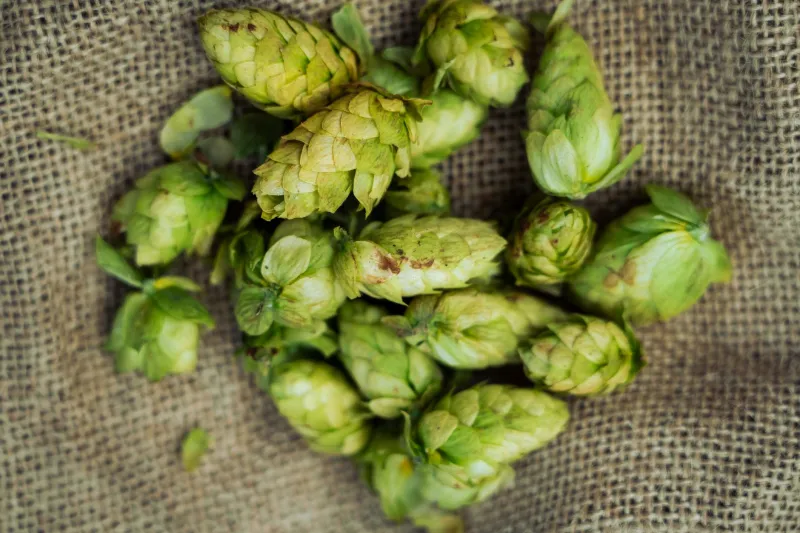
For American craft brewers, this is worth sitting with. The locavore movement touched craft beer in the early 2010s and then largely faded as the industry scaled up and the economics of hyperlocal sourcing got complicated. But the breweries that stuck with it — the ones that built real relationships with regional hop farms, local maltsters, and nearby agricultural producers — tend to have a durability that trend-chasing operations don't. They have a story that doesn't expire.
Community as Infrastructure
Here's the thing about Itabashi that doesn't always translate cleanly into a business case: the breweries there aren't just selling beer. They're functioning as community infrastructure.
In a dense urban ward with limited green space and a population that skews toward longtime residents rather than transient young professionals, a neighborhood taproom fills a specific social role. It's where people decompress after a long shift. It's where local associations hold informal meetings. It's where the regulars know each other by name, and where the brewer occasionally comes out from behind the bar to talk about what they're working on next.
This isn't unique to Japan — plenty of American neighborhood breweries operate the same way, especially in smaller cities and working-class urban neighborhoods. What's distinctive about Itabashi is the degree to which that community orientation is treated as a feature rather than a side effect. The breweries aren't community-focused because it's good PR. They're community-focused because the community is the reason they exist.
The business implication is real. A brewery with a deeply embedded local identity is more resilient to market fluctuations than one chasing national distribution. When the hype cycle moves on, the regulars don't. When a new trend brewery opens across town, the neighborhood still walks to the place it trusts.
What American Craft Beer Can Actually Take From This
It would be easy to look at Itabashi's brewing culture and treat it as an exotic case study — interesting, admirable, but too culturally specific to be practically useful. That would be a mistake.
The core principles aren't Japan-specific. They're just disciplined.
Know your neighborhood deeply enough to brew for it specifically. Source ingredients locally not just when it's convenient, but as a consistent operating philosophy. Resist the pressure to reinvent your identity every time a new style trend shows up on the trades. Build relationships with your regulars that go beyond loyalty cards and email lists.
None of this is complicated. Most of it is actually just a return to what made the early American craft beer movement interesting before scale and competition pushed it toward the median.
The breweries in Itabashi aren't trying to be the next big thing in Tokyo's beer scene. They're trying to be the best possible version of a neighborhood brewery in Itabashi. That specificity is exactly what makes them worth paying attention to.
The Quiet Ones Usually Last Longer
At Itabashi Brewing Co., this is the lens we keep coming back to. Not because it's nostalgic, but because it works. The wards and neighborhoods that build something real — something rooted in place, in community, in the actual character of where the beer is made — tend to outlast the ones that built something loud.
Itabashi was never supposed to be on the map. It ended up on it anyway, because the breweries there kept showing up for their neighbors and kept making beer that tasted like it came from somewhere specific.
That's not a small thing. In an industry that can feel increasingly like a race to everywhere, it might actually be the most important thing.