Six Beers You Won't Find on an American Menu (Yet)
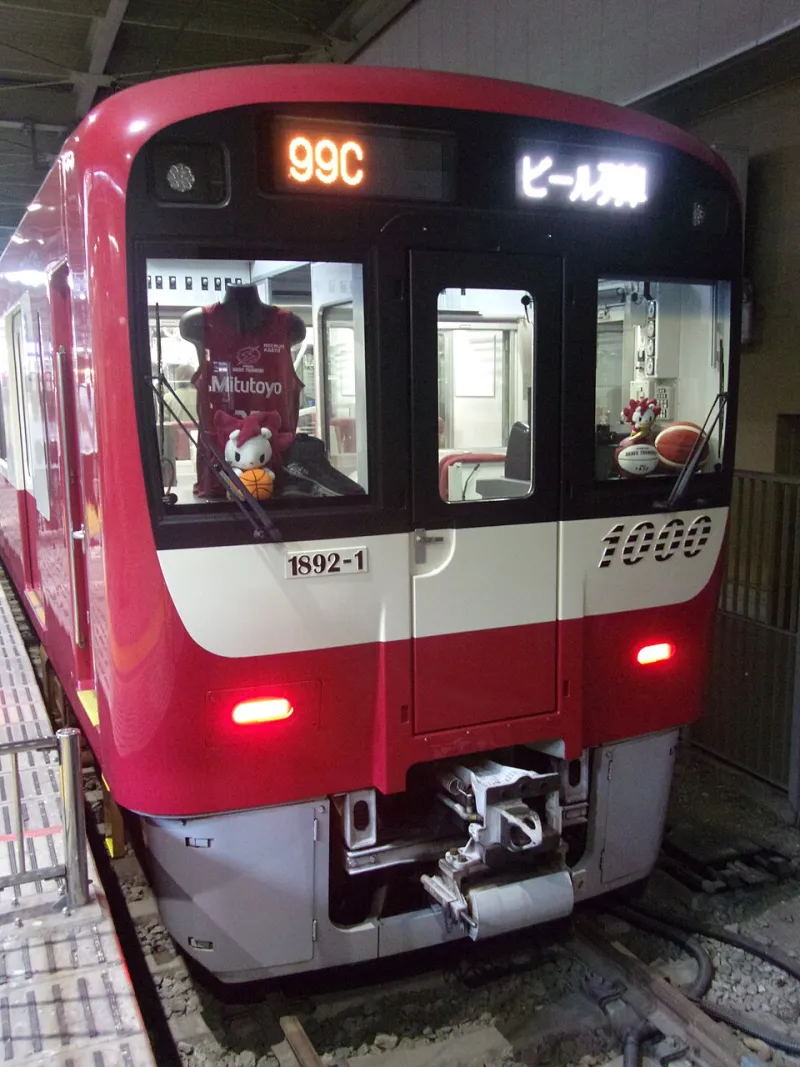
Photo: 電車(新幹線)でゴー!, CC0, via Wikimedia Commons
Spend an evening in a Tokyo neighborhood taproom — the kind wedged between a laundromat and a noodle shop in a ward like Itabashi — and you'll notice the tap list doesn't look like an American one. There's a whole ecosystem of styles that never made the transpacific flight. Consider this your pre-trip homework, or better yet, a shopping list for your next run to a bottle shop with a good import shelf.
The Ultra-Dry "Japanized" Pilsner
The story: Japanese brewers took the German pilsner and dialed everything toward crispness — less bitterness on the finish, more carbonation, a finish so dry it practically evaporates.
Tastes like: Cracker, white grape, a whisper of grass. Built for humidity and heat.
Ordering tip: If a menu says "dry" or "karakuchi," believe it. These run lighter-bodied than American palates expect — that's the point.
American version to hunt: Several West Coast lager-focused breweries have released "rice pilsners" in recent summers that nail the brief.
Yuzu Shandy
The story: The Japanese have long mixed beer with citrus (the classic beer-garitor), but the yuzu shandy is the craft-era upgrade — tart, aromatic, and wildly refreshing.
Tastes like: Yuzu sits somewhere between lemon, mandarin, and something floral you can't quite name. Low bitterness, low ABV, high charm.
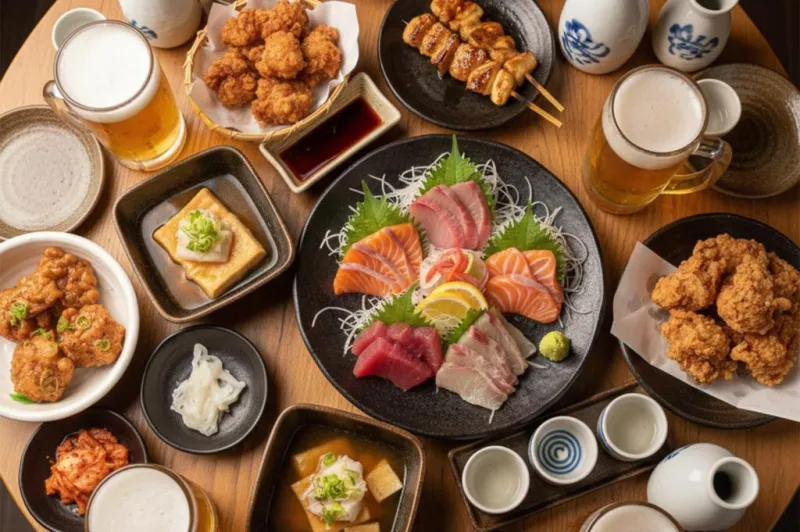
Ordering tip: Best fresh and cold, ideally alongside something salty and fried.
American version to hunt: Look for yuzu or yuzu-adjacent shandies from breweries playing with Asian citrus — they surface mostly in summer seasonal packs.
Low-ABV Table Beer
The story: Japan's drinking culture pairs beer with food and long evenings, so neighborhood breweries embraced genuine session beers in the 3–4% range — flavorful, not watered down.
Tastes like: Bready, gently hopped, endlessly drinkable.
Ordering tip: Don't judge by ABV. A good 3.8% table beer out-drinks most 6% IPAs over a long dinner.
American version to hunt: The "small beer" trend has hit US taprooms — ask what's pouring under 4.5%.
Happoshu-Style Hybrids
The story: Technically a legal category in Japan rather than a style, happoshu-inspired brews use less malt and more alternative grains. Craft breweries have run with the constraint, producing weirdly delicious grain-forward lagers.
Tastes like: Light, slightly grainy, with a clean snap.
Ordering tip: Think of these as lagers for people bored of lagers.
Fruit Lambic-Adjacent Sours
The story: Japanese breweries fell hard for mixed fermentation, but they swap European fruit for local stars — ume plum, yuzu, mikan.
Tastes like: Bright acidity with a distinctly Japanese orchard character.
Ordering tip: These lean tart, not sweet. If you hate fruit beer, this might convert you.
American version to hunt: Any US sour program playing with plum or yuzu — they exist, and they're excellent.
The Bottom Shelf Surprise
Every Tokyo taproom has one: an unassuming house lager that costs almost nothing and outclasses half the fancy stuff. It's a reminder that style names matter less than execution — a lesson American craft beer is still, slowly, learning.