Beyond Kyoto and Kanagawa: How One Overlooked Tokyo Ward Became a Quiet Powerhouse of Japanese Craft Beer

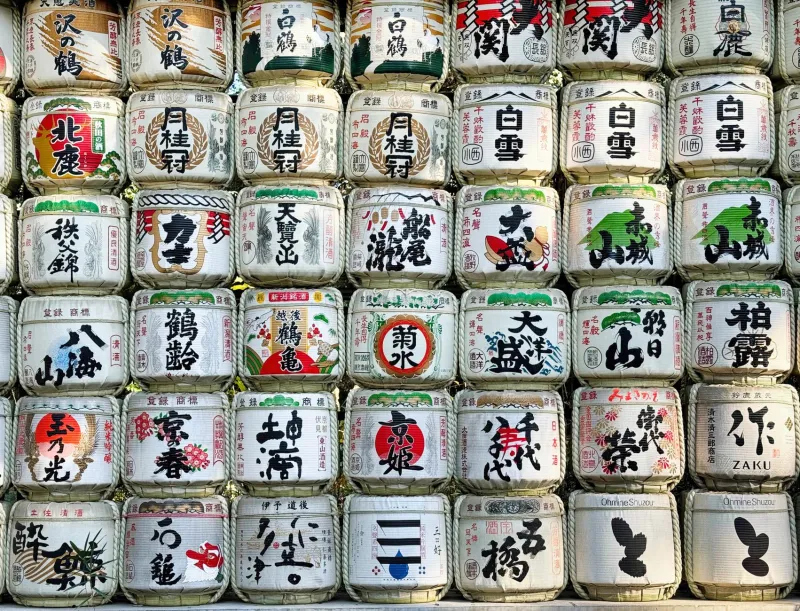
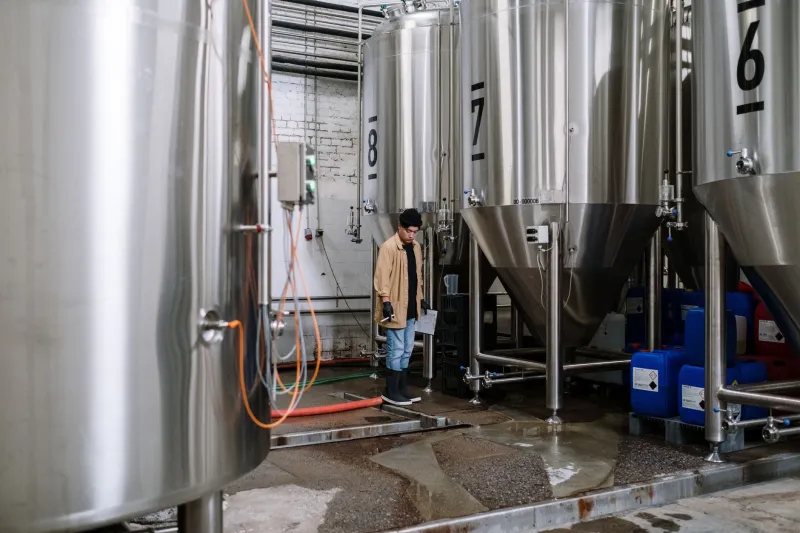
Photo: Tokyo industrial neighborhood craft brewery Japan urban manufacturing, via www.tokyoupdates.metro.tokyo.lg.jp
The Map Nobody Checks First
If you ask most American craft beer enthusiasts to point to Japan's most significant brewing regions, they'll probably land somewhere near Kanagawa Prefecture — home to a handful of well-exported names — or gesture vaguely toward Hokkaido and its lager-friendly cold climate. Almost nobody points to Itabashi.
That's a mistake worth correcting.
Itabashi is one of Tokyo's 23 special wards, sitting at the city's northwestern edge where the density of the urban core gradually gives way to something a little grittier, a little more functional. It's not a neighborhood that gets written up in travel magazines. There are no UNESCO-listed temples anchoring its identity. What Itabashi has instead is infrastructure — a deep, century-long relationship with precision manufacturing, light industry, and the kind of quiet technical expertise that doesn't photograph well but absolutely matters when you're trying to make something exceptional.
For brewing, that turns out to be exactly the right foundation.
Why Industrial Heritage Actually Matters for Beer
This might sound counterintuitive at first. What does a ward known for optical instruments, printing equipment, and chemical manufacturing have to do with craft beer?
More than you'd expect.
The concentration of precision industry in Itabashi created generations of workers and small-business owners who are deeply comfortable with process control — with the idea that small variables, carefully managed, produce consistently excellent results. That mindset maps almost perfectly onto brewing. Temperature management, pH calibration, yeast health monitoring, fermentation timing — these aren't just chemistry problems, they're engineering problems. And Itabashi has been solving engineering problems at a small scale for a very long time.
Many of the micro-breweries that have emerged in and around Itabashi over the past two decades didn't come from nowhere. They grew out of a local culture that already understood how to work with specialized equipment, how to source quality materials through tight supplier networks, and how to iterate on a process until it's right. That's a different starting point than a brewery founded primarily around a lifestyle brand or a tourism hook.
The Water Underneath Everything
Any serious conversation about brewing has to include water chemistry, and Itabashi's position within Tokyo's water supply network gives it some genuinely interesting characteristics to work with.
Tokyo's municipal water is sourced primarily from surface water in the Tama River system and the Tone River basin, then processed through some of the most sophisticated treatment infrastructure in the world. The result is water that's notably soft by global standards — low in mineral hardness, with a relatively neutral pH and minimal sulfate or chloride load coming out of the tap. For brewers, that's a blank canvas.
Soft water doesn't impose itself on a beer the way high-mineral water does. It doesn't push hop bitterness the way sulfate-heavy water can, and it doesn't round out malt the way calcium-rich water tends to. What it does is let the brewer make deliberate choices. Want to build a water profile that emphasizes clean lager crispness? You can do that. Want to add targeted mineral additions for a juicy, chloride-forward hazy IPA? You can do that too. Soft source water is, paradoxically, one of the most flexible tools a brewer can have.
This is part of why Itabashi's brewing scene has never been locked into a single style. The water doesn't demand one.
Comparing Notes with Kanagawa
Kanagawa — and particularly the Yokohama area — gets a lot of attention in conversations about Japanese craft beer, and some of that attention is deserved. The port city history, the early Western influence, the established export infrastructure: these things matter for visibility. But visibility and quality aren't the same thing.
Where Kanagawa breweries often developed in conversation with tourism and international trade, Itabashi's brewing culture grew more organically from local demand and local pride. The difference shows up in the beer. Kanagawa has produced some excellent, internationally recognized labels. It's also produced a fair amount of beer that's been optimized for export recognition — styles and presentations calibrated to what Western markets expect from "Japanese craft beer."
Itabashi's breweries, operating with less external spotlight, have had more freedom to experiment, to make weird decisions, to serve a neighborhood audience that cares more about what's in the glass than what the label says. That creative latitude is something American craft brewers should find genuinely inspiring, because it mirrors the early ethos of the American craft movement itself — community-first, process-obsessed, uninterested in playing it safe.
What American Brewers Can Actually Take From This
Here at Itabashi Brewing Co., we think about this constantly. The question isn't just "what does Japanese brewing look like?" The question is which version of Japanese brewing is worth learning from.
A few things stand out as genuinely transferable:
Process discipline over shortcut culture. Itabashi's industrial DNA produced brewers who respect the process for its own sake, not just as a means to a finished product. That means longer conditioning times, more careful fermentation monitoring, and a willingness to dump a batch that isn't right rather than push it out the door.
Ingredient minimalism with intentional complexity. Many Itabashi-influenced breweries work with shorter ingredient lists than their American counterparts but achieve remarkable depth through fermentation management and water chemistry rather than adjunct stacking. It's a more disciplined approach, and the results speak for themselves.
Community anchoring. Itabashi's breweries exist for their neighborhoods in a way that's become rarer in the American craft scene as consolidation and distribution deals have pulled breweries toward regional and national ambitions. There's something worth recapturing in the idea of a brewery whose primary audience lives within walking distance.
The Unsung Places Make the Best Teachers
Craft brewing in America has always drawn energy from unlikely sources — from homebrewers in garages, from former winemakers who crossed over, from scientists who got obsessed with fermentation on a weekend and never quite recovered. The best inspiration rarely comes from the most famous address.
Itabashi isn't famous. It doesn't have a brewery tourism trail or a signature style that gets name-dropped in American beer bars. What it has is depth — a genuine, ground-up brewing culture shaped by industrial precision, flexible water chemistry, and a community-first philosophy that never needed external validation to keep going.
That's exactly the kind of place worth paying attention to.