Rust, Concrete, and Character: Why the Best Brewery Taprooms Look Like They Used to Make Something
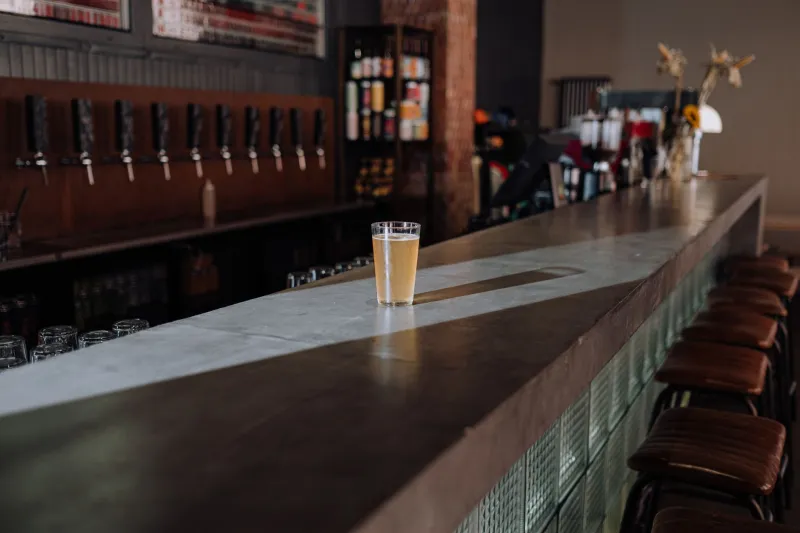
Walk into a great taproom and you'll usually feel something before you taste anything. Maybe it's the exposed ductwork running overhead, or the concrete floor worn smooth by decades of foot traffic that had nothing to do with beer. Maybe it's the kind of natural light that only comes through old industrial windows — wide, steel-framed, slightly grimy in a way that feels honest rather than neglected.
That feeling isn't accidental. And if you trace it back far enough, it shares a lot of DNA with places like Itabashi.
What Itabashi Built — and Left Behind
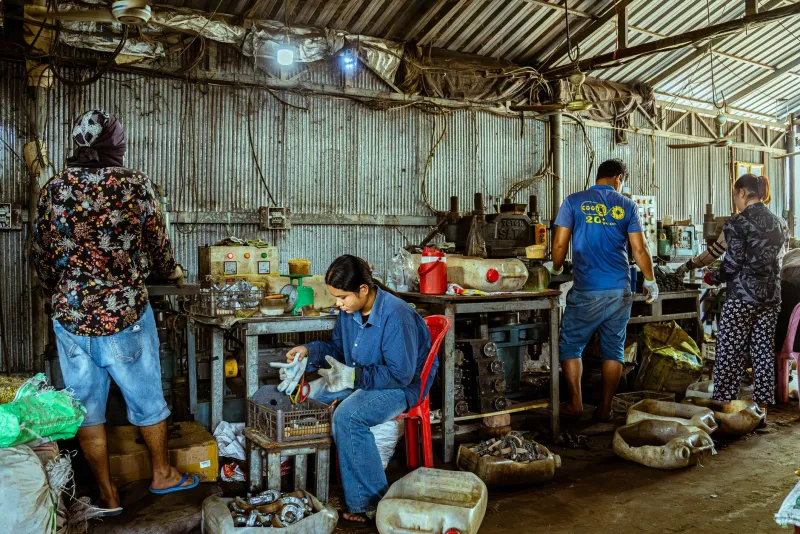
Itabashi, a ward in northwestern Tokyo, spent most of the 20th century doing the unglamorous work that kept the city running. Metalworking shops, small-batch manufacturers, printing presses, chemical plants — the kind of industries that don't make the tourism brochures but absolutely make a neighborhood. By the time Japan's manufacturing economy started shifting in the 1980s and 90s, Itabashi was left with something unexpected: empty buildings with incredible bones.
High ceilings. Thick concrete walls. Loading docks. Spaces designed for function, not aesthetics — which, paradoxically, gave them an aesthetic that's almost impossible to fake.
That's the thing about industrial architecture. It doesn't try to look cool. It just tries to work. And when you strip away the original purpose, what's left is an honesty of form that resonates deeply — especially in a culture that's starting to care a lot more about where things come from and how they're made.
Craft brewing, it turns out, fits into these spaces like it was always supposed to be there.
The American Parallel
Across the US, the same story has played out in dozens of cities. Pittsburgh's old steel mills. Detroit's auto plants. The warehouse districts of Kansas City, Cincinnati, and Baltimore. These are the bones that American craft breweries have been building their identities inside for the better part of two decades.
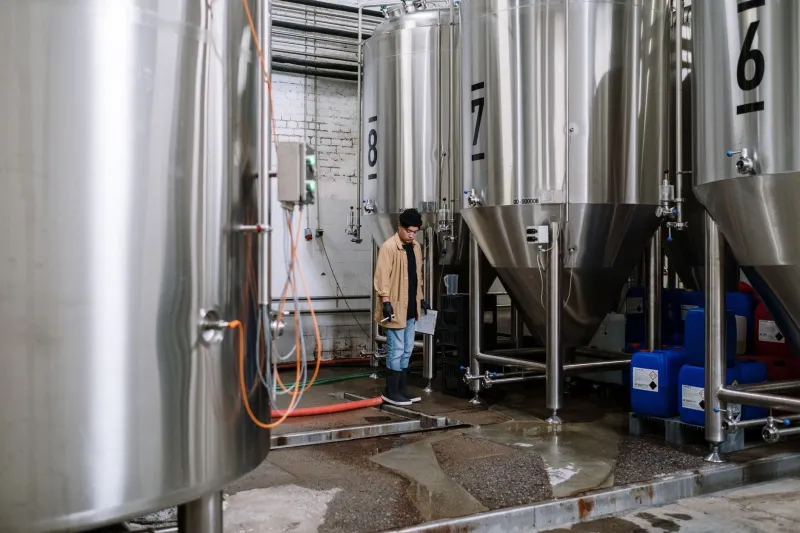
Breweries like Commonhouse Aleworks in Charleston, South Carolina, or Brooklyn Brewery in New York didn't just inherit industrial spaces — they leaned into them philosophically. The exposed brick isn't decorative. The visible fermentation tanks aren't a design choice. They're a statement: we make something here, and we're not hiding it.
That transparency — the brewery as a legible, honest place of production — is exactly what Itabashi's old factory districts communicated, even when they were churning out machine parts instead of IPAs.
Design as Storytelling
Here at Itabashi Brewing Co., the connection between industrial heritage and taproom design isn't just aesthetic inspiration — it's part of how we think about the relationship between a beer and the place it comes from.
When a space retains its manufacturing character, it tells a story without saying a word. Visitors understand intuitively that something real is happening here. The brewing process — the mashing, the boiling, the fermentation — is labor-intensive, technical, and deeply physical. It belongs in spaces that have housed labor-intensive, technical, and deeply physical work before.
There's also a humility to it. A taproom that looks like a converted metalworks isn't trying to impress you with its interior design budget. It's saying: the work is the point. The beer is the point. Everything else is secondary.
That's a very Itabashi sensibility. And it's one that plays surprisingly well in American markets that are increasingly skeptical of polish and hungry for authenticity.
The Details That Matter
So what does this actually look like in practice? A few elements tend to show up again and again in breweries that nail the industrial-heritage aesthetic:
Raw materials left raw. Concrete floors sealed but not polished. Brick walls cleaned but not painted. Steel beams left visible. The goal isn't roughness for its own sake — it's letting the building's original material logic stay legible.
Functional equipment on display. Fermentation tanks visible from the taproom. Grain mills that guests can actually see operating. Hose connections and floor drains that make clear this is a working facility, not a themed bar.
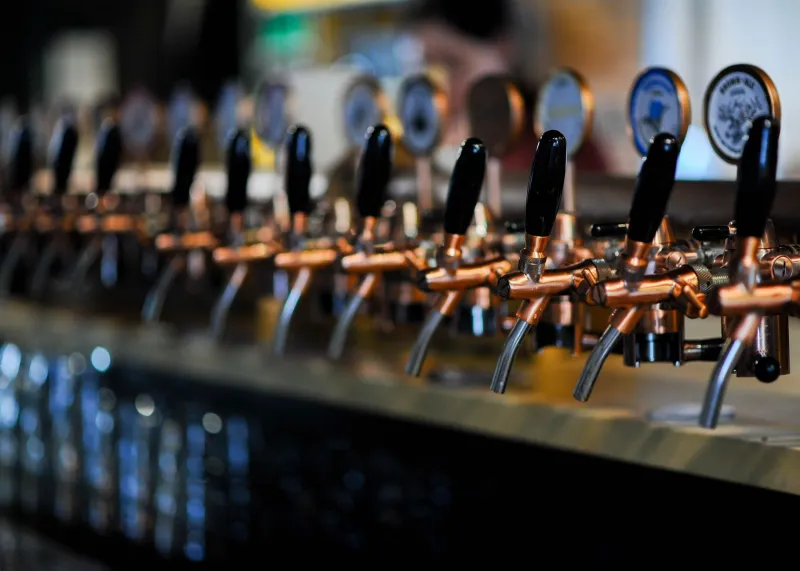
Repurposed objects with history. Bar tops made from old factory workbenches. Tap handles machined from salvaged metal. Lighting fixtures that look like they came off an assembly line — because they did. These details connect the present use of the space to its past life without being precious about it.
Scale that respects the original architecture. One of the biggest mistakes in repurposed industrial spaces is trying to domesticate them too much — dropping ceilings, subdividing open floors, smoothing out the rough edges. The best brewery taprooms resist that impulse and let the space breathe at its original scale.
Blue-Collar Pride as Brand Identity
There's a cultural dimension here that's worth sitting with. In both Japan and the US, manufacturing communities have spent decades watching their economic centrality erode. The factories closed, the jobs moved, and the neighborhoods were left to figure out what came next.
Craft brewing, in a lot of these places, has become part of the answer — not just economically, but symbolically. When a brewery sets up shop in a former plant and keeps the bones of the building intact, it's doing something more than saving on renovation costs. It's saying that the work done in that space mattered, and that the ethos of that work — precision, craft, physical engagement with materials — is worth honoring and continuing.
Itabashi understood this before craft beer was even part of the conversation. The ward's identity was always tied to making things well, without fanfare, for people who needed them. That's not a bad mission statement for a brewery.
What We're Building Toward
The best taproom experiences don't feel designed. They feel discovered — like you've stumbled into a space that was always meant to be used this way, even if it took a few decades and a change of purpose to get there.
Industrial architecture, whether in a Tokyo ward or a Rust Belt American city, has a way of producing exactly that feeling. The history is in the walls. The craft is in the glass. And the connection between the two is what turns a good beer into a genuinely memorable one.
That's the design philosophy we keep coming back to. Not because it's trendy — though it is — but because it's true.